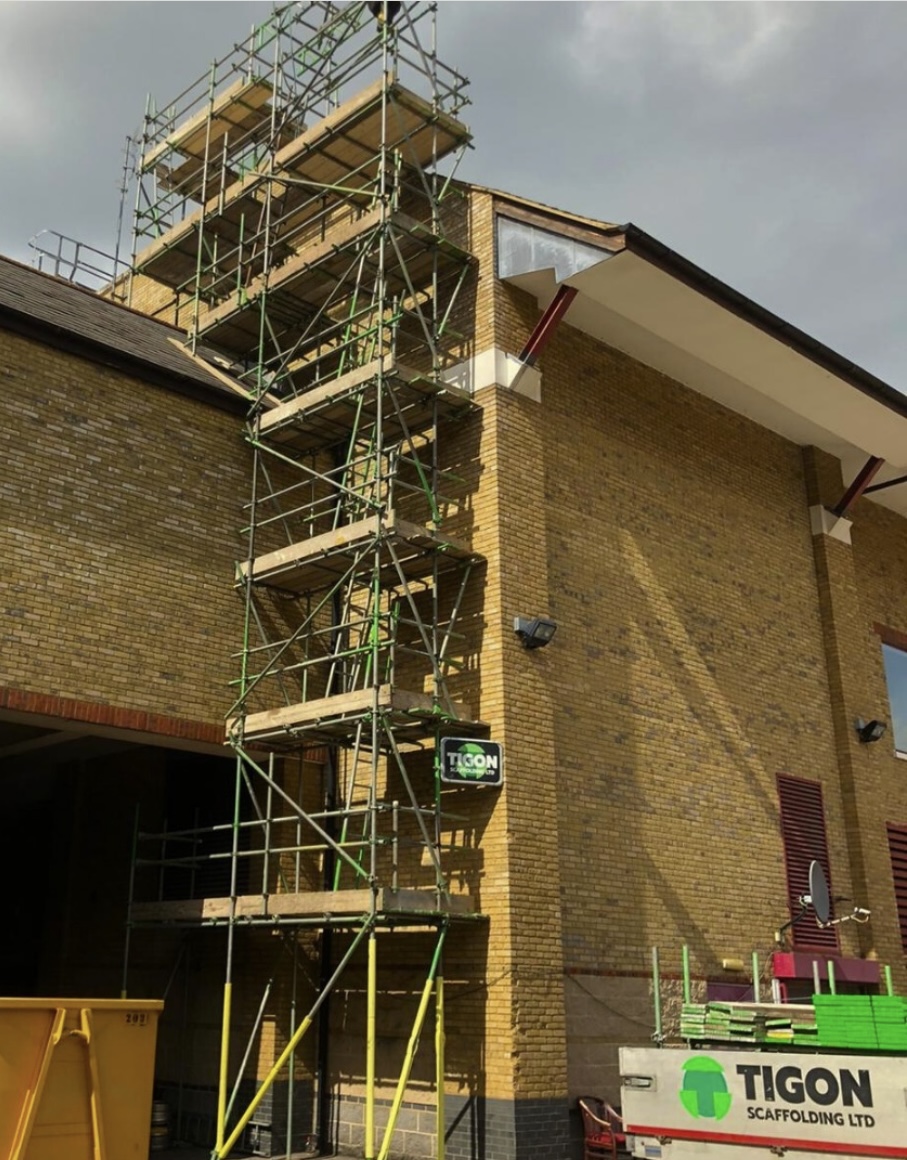
How to Maintain Scaffolding During Different Seasons
Navigating the intricate balance between construction and nature isn’t always easy. The assurance of safety and stability in scaffolding is a huge priority, particularly amid the ever-shifting challenges that accompany the varied seasons. In the world of construction sites, knowing how to secure scaffolding during different seasons can be difficult, as they each have a unique set of weather conditions, demanding a nuanced approach to safeguarding scaffolding structures. However, once you and your team know exactly how to secure scaffolding in different seasons, your jobs will become much easier, and more importantly, safer.
Winter Scaffolding Safety
1. Vigilant Inspection:
Regular and thorough inspections of scaffolding become even more critical in winter. Freezing temperatures can impact the structural integrity of components, making it essential to identify and address potential issues promptly. Inspections should encompass not only the scaffolding structure but also the materials used, ensuring they remain resilient in cold conditions.
2. Weather Monitoring:
Stay aware of weather forecasts, particularly concerning snowfall and freezing conditions. Proactive monitoring allows construction teams to anticipate weather-related challenges and take preemptive measures. Timely adjustments to work schedules, implementation of additional safety measures, and coordination with project timelines are key aspects of navigating scaffolding successfully during winter.
3. Snow Removal Protocols:
Developing effective snow removal protocols is crucial for maintaining the load-bearing capacity of scaffolding. Clear walkways, platforms, and access points regularly to prevent the accumulation of snow and ice. Utilize appropriate tools and equipment designed for snow removal without causing damage to the scaffolding components.
4. Anti-Slip Applications:
Incorporate anti-slip measures on scaffolding platforms to minimize the risk of accidents. This may include applying specialized coatings, using anti-slip mats, or employing temporary coverings that increase traction.
5. Worker Training and Awareness:
Equip workers with the knowledge and training necessary to know how to secure scaffolding during different seasons, including winter, and educate them on the specific challenges posed by cold weather, the importance of using proper personal protective equipment (PPE), and the significance of adhering to established safety protocols.
6. Communication and Coordination:
Maintain open lines of communication among the construction team to facilitate seamless coordination during winter operations. Clear communication ensures that everyone is informed about the current weather conditions, safety measures in place, and any adjustments to work plans.
Spring Scaffolding Safety
1. Rain and Storm Preparedness:
Spring often brings increased rainfall and the potential for storms. Incorporate rain and storm preparedness measures into your scaffolding practices. This may include waterproofing materials, covering scaffolding during heavy rain, and having a plan in place to secure the structure in the event of a storm.
2. Temperature Moderation:
As temperatures gradually rise in spring, monitor and moderate the impact on scaffolding materials. Check for signs of expansion or contraction, and make adjustments as needed to maintain stability and integrity.
3. Foliage Management:
Trim branches and foliage around scaffolding that could interfere with the structure or create safety hazards.
4. Spring Cleaning and Inspection:
Remove debris accumulated during winter and conduct a thorough examination to identify any wear, rust, or damage.
5. Floral Allergens Consideration:
Spring brings pollen that may affect workers. Provide PPE or allow frequent breaks to minimize exposure.
6. Daylight Extension:
Plan scaffolding tasks to maximize natural light, enhancing visibility and reducing reliance on artificial lighting during the day.
7. Planning for Growth:
Manage plant and tree growth around scaffolding to prevent interference with stability or safety.
Summer Scaffolding Safety
1. Heat Management:
Use shading materials and protective coverings to minimize direct heat impact on scaffolding and ensure structural integrity.
2. Hydration and Sun Protection:
Provide shaded areas, encourage frequent water consumption, and ensure proper PPE, including hats and sunscreen.
3. Storm Preparedness:
Have a storm preparedness plan, secure loose items, and temporarily halt work during adverse conditions.
4. Early Morning and Late Afternoon Work:
Schedule scaffolding tasks during cooler periods to enhance comfort and safety and minimize heat-related issues.
5. Insulation and Ventilation:
Use airflow and reflective materials to reduce heat absorption, enhance ventilation, and maintain a comfortable workspace.
6. Regular Inspections:
Inspect scaffolding regularly to identify signs of fatigue, stress, or damage.
7. Emergency Response Planning:
Ensure the team knows heat-related illness protocols and has access to first aid supplies during extreme heat events.
Autumn Scaffolding Safety
1. Foliage Management:
Clear fallen leaves regularly to prevent slipping hazards and ensure proper drainage.
2. Weather Variability:
Monitor weather forecasts, secure loose items, and adjust schedules in response to temperature changes or storms.
3. Scaffolding Stability Checks:
Perform additional stability checks as temperatures drop, paying attention to joints, connections, and overall scaffolding integrity.
4. Slip Prevention Measures:
Apply anti-slip coatings or mats to maintain traction on damp or slippery surfaces.
5. Worker Training for Autumn Conditions:
Educate workers on seasonal challenges, footwear, safety protocols, and vigilance on scaffolding.
6. Coordination for Seasonal Changes:
Communicate adjustments in procedures, timelines, and safety protocols to maintain seasonal scaffolding safety.
7. Lighting Considerations:
Ensure adequate lighting on scaffolding, especially during early mornings and late afternoons with shorter daylight hours.
8. Material Protection:
Use weather-resistant covers or storage solutions to protect scaffolding materials from dampness and temperature variations.
How to Secure Scaffolding During Different Seasons
In conclusion, mastering the art of maintaining scaffolding during different seasons requires an adaptable approach. Understanding how to safeguard scaffolding during winter, spring, summer, and autumn ensures safety for construction teams and efficiency in project execution. By prioritizing seasonal strategies, construction professionals create a resilient and secure work environment year-round.
Read more!
Winter Safety
Hazard Identification
Safety in the Rain
Top Safety Tips
5 Things to Know Before Your Residential Scaffold Hire